Urban Microhub Alliance launched to build leading infrastructure for last mile logistics in London
A new alliance has launched to power urban logistics in London by creating a world leading network of infrastructure for efficient, sustainable, convenient last mile delivery.
The Urban Microhub Alliance (UMA) brings together businesses in real estate, logistics and technology to expand and operate microhubs in underused spaces in the city centre. The alliance’s vision is intended to set a blueprint for logistics infrastructure in urban areas around the world.
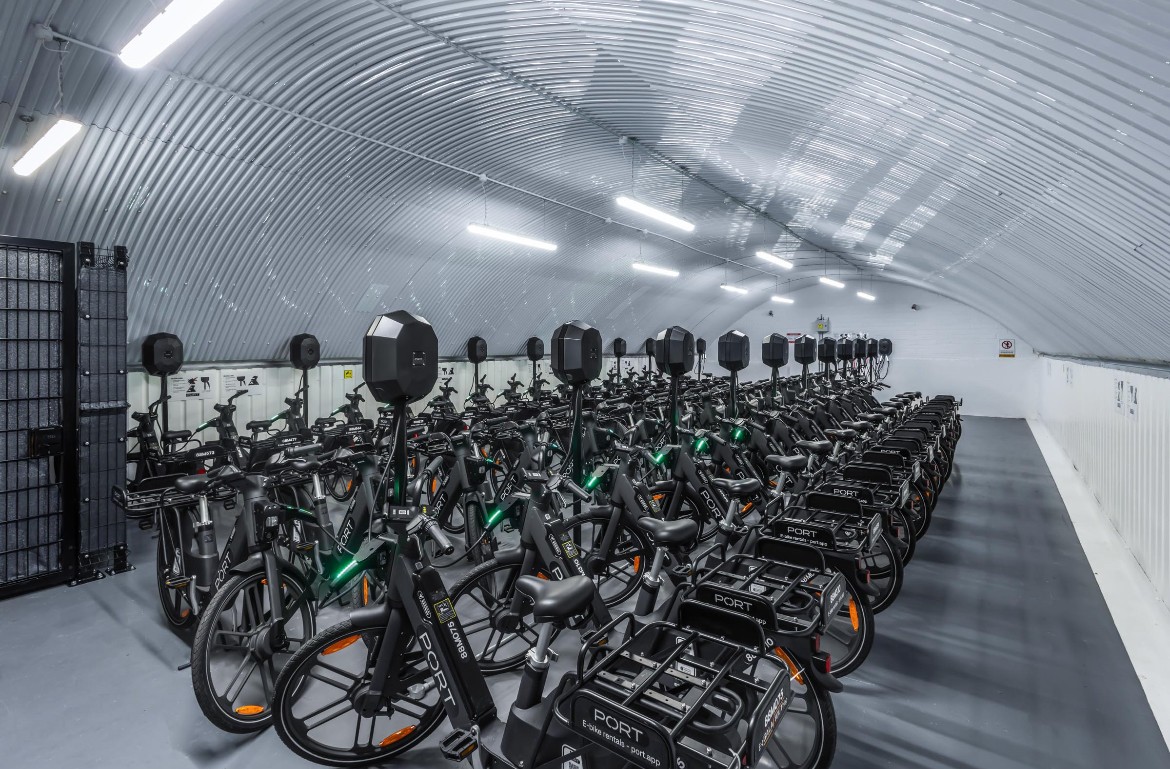
Port equips UMA microhubs with electric two wheelers, proprietary charging infrastructure and dedicated parcel storage, and then operates the hubs on a daily basis to ensure safety and reliability.
Hubs are located in car parks, railway arches or other under used real estate, breathing new life into often hidden urban spaces. Founder members of the alliance include car park operators such as NCP, Q-Park, Saba and Apcoa.
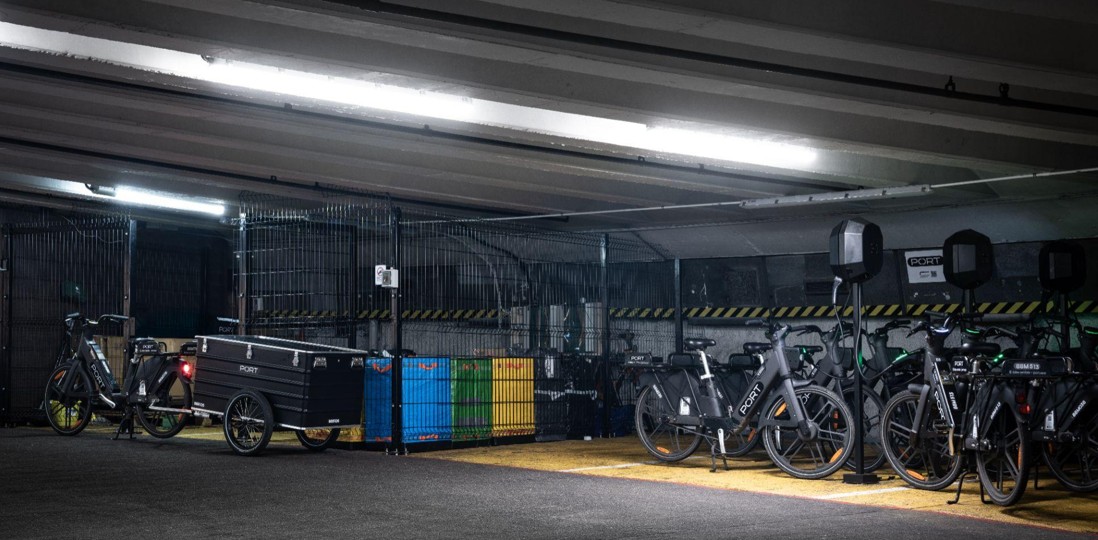
Each hub brings together:
- Hub based electric vehicle rental. Electric two wheelers – e-bikes and e-mopeds – on an all in one subscription, with modular trailers that can be added as required.
- Micro distribution hubs. Dedicated storage spaces for parcel logistics companies to consolidate deliveries in a local area, enabling a single vehicle to drop off large volumes of parcels that can then be efficiently distributed by local couriers.
- Couriers. Freelance couriers with subscriptions to use Port vehicles.
The hubs have already been used by more than 18,000 food delivery couriers, who collectively travel over 22 million kilometres each year – equivalent to circling the Earth 550 times annually. Beyond food delivery, UMA’s infrastructure will also support parcel logistics, with more than one million parcels set to be delivered in 2026.
For consumers, the alliance already facilitates tens of thousands of food and parcel deliveries every day. For couriers, the concept provides access to reliable, legally certified bikes at a safe storage location in the city centre, on a subscription model with maintenance support on hand. For logistics firms, UMA microhub network offers readily available urban logistics infrastructure. For the city, local hubs improve efficiency and reduce goods traffic on the roads, contributing to better air quality and to the Mayor of London’s target of cutting the number of vans on London’s streets.
While most cities tackle last mile deliveries through piecemeal projects, this is the first initiative to build a co-ordinated network of shared mobility between landlords and logistics partners.
The UMA has been created to fulfil a pressing need. The market for deliveries in the UK is expanding rapidly, with online sales constituting 26% of all retail activity, rising to a third every December. Three in ten Londoners get at least one meal a week delivered.
London is the most congested city in Europe, with an average traffic speed of just 13 miles per hour, and traffic jams costing the local economy more than £5 billion annually.
Vans take up 16% of traffic in London but are typically only 38% full, with many journeys suitable for replacement by e-bikes. The rapid growth of the delivery market has led to a surfeit in unsafe, illegal e-bikes on the streets which, according to London Fire Brigade, pose a major fire hazard.
The network of microhubs already put in place by UMA members covers 60% of inner London within a two mile radius, and 92% of the congestion charging zone within a one mile radius.
Kamil Suda, founder and CEO of Port, said: ‘Deliveries are at the centre of urban life. The way in which we shop, eat and buy goods has transformed over the last decade. But urban logistics have not kept pace. It is time to re-think the way we move goods around city centres.
‘By bringing together logistics, sustainable vehicles and couriers in smart, hi-tech micro-hubs, we can work towards a less congested London with cleaner air and safe roads. While doing so, we can repurpose underused, hidden spaces in the centre of town.
‘The UMA is a bold new alliance that aims to set the standard for modern logistics infrastructure around the world.’
Tom Wellingham, head of rider content and engagement UK & Ireland at Deliveroo, said: ‘At Deliveroo, we aim to bring peoples’ neighbourhood to their doors through safe, low emission delivery. The Urban Microhub Alliance brings together all the different partners required for world leading last mile logistics. Weare pleased to be a part of the alliance, and look forward to working together to create the infrastructure for green, efficient urban deliveries.’
John Denton, UK & Ireland commercial director, QPark, said: ‘At Q-Park, we are
committed to unlocking the full potential of urban spaces. By joining the Urban
Microhub Alliance, we are helping to transform city centre real estate into vital
infrastructure for cleaner, faster, more efficient last mile delivery. This partnership aligns perfectly with our strategy to support sustainable mobility while creating real value for communities, couriers and customers.’